

Effective Blood Sugar Management Tips for a Healthier Life
NEM Health
November 11, 2025

Diabetes, commonly referred to as high blood sugar or hyperglycaemia, is a chronic condition that affects how your body processes sugar (glucose). There are two main types—Type 1 and Type 2 Diabetes Mellitus. Both occur when the pancreas does not produce enough insulin, or when the body does not use insulin effectively.
Insulin plays a vital role in allowing cells to absorb sugar from the blood. Without proper balance, blood sugar levels rise and can lead to serious, sometimes life-threatening complications.
For people living with diabetes, managing blood sugar is essential to maintaining good health. While changes can happen quickly, the good news is that effective management is possible through lifestyle adjustments, regular monitoring, and proper medication use.
Key Strategies for Managing Blood Sugar
- Eat a Balanced Diet
Choose whole grains, fruits, lean proteins, and healthy fats. Portion control is equally important. - Exercise Regularly
Aim for at least 30 minutes of moderate activity most days. Include both aerobic exercises (like brisk walking) and strength training. Light activities such as yoga can also help. - Manage Stress & Sleep
Stress hormones can raise blood sugar. Try relaxation techniques like meditation or deep breathing and aim for 7–9 hours of quality sleep each night. - Monitor & Stay Hydrated
Check your blood sugar levels as recommended by your healthcare provider. Drink water regularly throughout the day to support healthy metabolism. - Adopt a Healthy Lifestyle
If overweight, gradual weight loss can improve blood sugar control. - Use Medications as Prescribed
Taking your medications daily helps stabilize blood sugar, reduces risks of complications such as hypoglycemia or hyperglycemia, prevents hospitalizations, and improves overall quality of life.
Common Tips on Proper Insulin Storage
Proper storage of insulin is crucial to maintaining its effectiveness:
Keep unopened insulin in the refrigerator (2–8°C / 36–46°F).
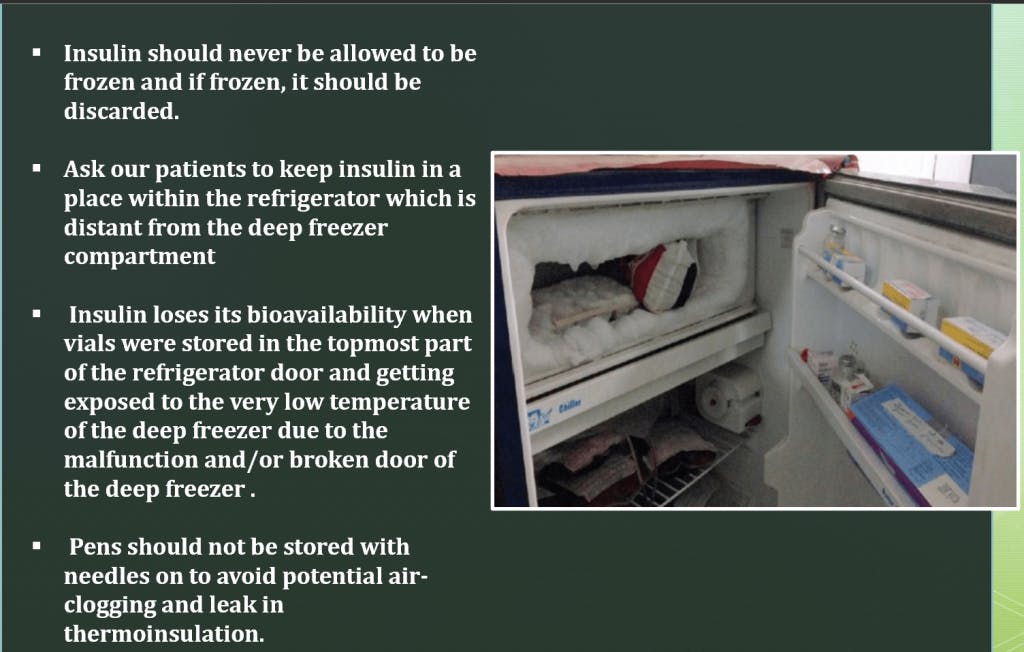
- Keep unopened insulin in the refrigerator (2–8°C / 36–46°F).
- Store opened insulin at room temperature (below 30°C / 86°F) for up to 28–30 days (check your insulin type for specifics).
- Protect insulin from direct sunlight, heat, or freezing.
- Always check expiration dates and discard expired or damaged insulin
Diabetes management is a journey, not a restriction. By focusing on healthy habits and medical guidance, you can live a full and active life.
Here is some advice👇
Don't manage your health alone.
Get the dedicated support and covered care necessary for your best life. Go to NEM Health plans to explore our list of dedicated health plans.
Frequently Asked Questions About Blood Sugar Management Tips
1. Should you exercise with high blood sugar?
It depends on how high your blood sugar is and whether ketones are present:
- If your blood sugar is below 250 mg/dL (13.9 mmol/L) and you feel well, exercise is usually safe and can help lower it.
- If your blood sugar is above 250 mg/dL and you have ketones in your urine or blood, do not exercise — it can make your blood sugar rise even higher.
- Always stay hydrated and monitor your levels before and after exercise.
2. How can I manage my blood sugar at home?
You can manage blood sugar effectively with these daily habits:
- Eat balanced meals with whole grains, lean protein, healthy fats, and plenty of vegetables.
- Exercise regularly — aim for 30 minutes of moderate activity most days.
- Stay hydrated — water helps flush excess sugar through urine.
- Monitor your blood sugar using a glucometer or continuous glucose monitor (CGM).
- Manage stress — stress hormones can raise blood sugar.
- Get enough sleep – sleeping poorly affects insulin sensitivity.
3. Why is blood sugar important?
Blood sugar (glucose) is your body’s main source of energy, especially for your brain and muscles.
- If it’s too high for too long, it can damage your heart, kidneys, eyes, and nerves.
- If it’s too low, your body and brain can’t function properly, causing dizziness, confusion, or fainting.
Maintaining balanced blood sugar keeps your energy steady and prevents complications.
4. How to manage high blood sugar in the morning?
Morning spikes (the “dawn phenomenon”) are common. You can manage them by:
- Eating a balanced dinner — avoid late-night carbs.
- Checking your bedtime and morning glucose to see patterns.
- Doing light exercise after dinner (e.g., walking).
- Adjusting medication or insulin (if prescribed), to do this, you must speak with your doctor.
- Getting enough sleep — poor sleep raises cortisol, which increases blood sugar.
5. What helps lower blood sugar?
- Exercise helps your muscles use glucose for energy.
- Drinking water flushes excess sugar from your bloodstream.
- Eating fiber-rich foods slows sugar absorption.
- Managing stress lowers cortisol, which affects glucose levels.
- Taking medications/insulin as prescribed.
6. What happens when your blood sugar is too high?
Short-term effects:
- Increased thirst and urination
- Fatigue
- Blurred vision
- Headache
Long-term effects (if not managed):
- Damage to blood vessels and nerves
- Heart disease and stroke
- Kidney failure
- Vision loss
- Poor wound healing
7. How do you reduce blood sugar levels without medicine?
- Eat fewer refined carbs and sugars.
- Exercise daily.
- Drink enough water.
- Sleep 7–9 hours a night.
- Reduce stress (yoga, meditation, deep breathing).
- Don’t skip meals — it can cause spikes later.
- Include natural aids like cinnamon, vinegar, and fiber (in moderation, after consulting a doctor).