
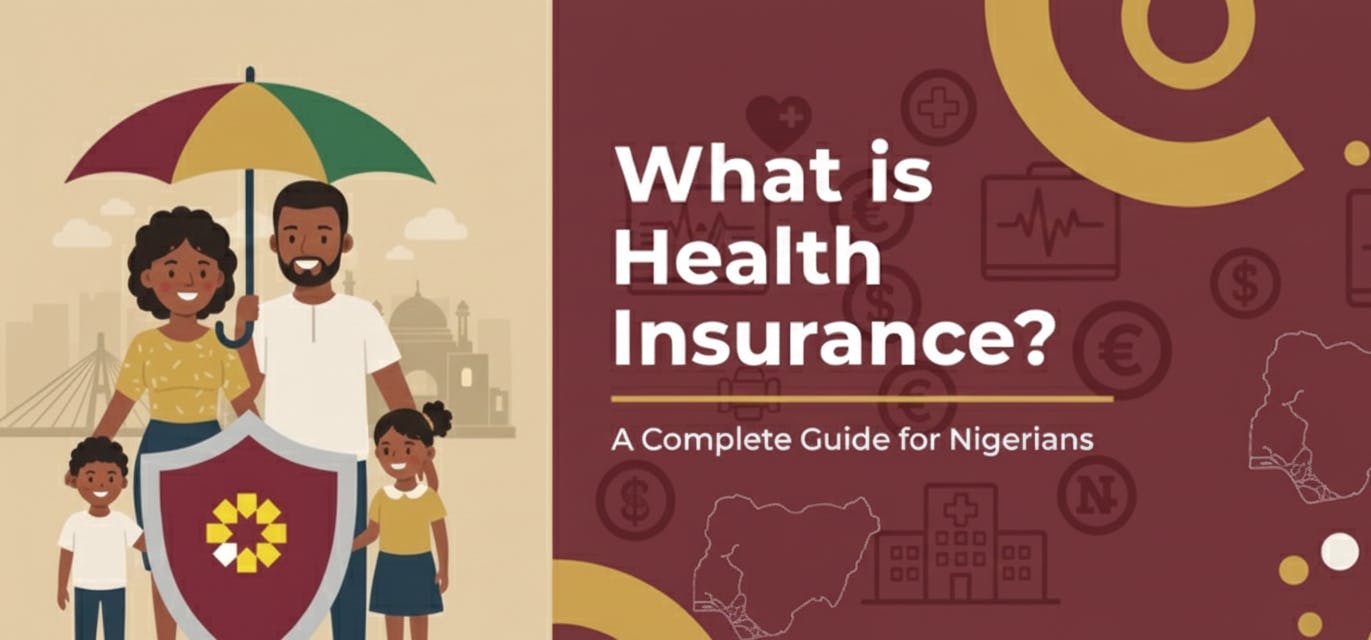
What is Health Insurance? A Complete Guide for Nigerians
NEM Health
November 25, 2025
Let’s say on a regular morning, you wake up with an unexpected, sharp pain. Your first thought is discomfort, but then after a few seconds, you have a financial panic after considering the cost of seeing a doctor, taking tests, and purchasing medication, which can cost you a significant amount of a month's salary. On the flip side, consider a situation where you feel the same pain, but instead of worrying about the cost, you simply reach for your health insurance card, knowing you're covered. This assurance and confidence are what a Health Maintenance Organisation (HMO) offers.
The former scenario plays out in countless Nigerian lives, often, where unexpected medical expenses can drain savings faster than you can say "health emergency." In this guide, we will walk you through everything you need to know about HMOs in Nigeria, from what they are and how they work to choosing the right plan for you and your loved ones.
What is an HMO?
An HMO, which stands for Health Maintenance Organisation, provides health insurance plans to individuals, families, and businesses for a fixed, regular fee known as a premium. It is a sort of subscription for health services. You pay a set amount periodically (monthly, quarterly, or annually), and in return, the HMO, like NEM Health, covers your medical bills when you need to see a doctor, run tests, get medication, or even undergo surgery.
The health maintenance organization definition goes beyond just insurance: the core idea is to make healthcare more accessible and affordable. Instead of paying large, unpredictable sums each time you fall ill, you pay a smaller, predictable premium. The HMO pools these premiums from all its subscribers to pay for the healthcare services of those who need them. This model protects your finances and also encourages preventive care, as it's in the HMO's best interest to help you stay healthy.
The Benefits of Health Management Organisations (HMOs)
Enrolling in an HMO plan comes with significant advantages that go beyond just covering medical bills. Here are some key benefits:
1. Financial Security
One of the most significant benefits is the protection against unexpected and high medical costs. With an HMO, you can access quality healthcare without the fear of high financial cost, knowing that your major medical expenses are taken care of.
2. Access to a Wide Network of Hospitals
Reputable HMOs partner with a vast network of hospitals, clinics, pharmacies, and specialists across Nigeria. For instance, NEM Health has a network of over 2,500 hospitals, giving you the flexibility to choose a healthcare provider that is convenient for you.
3. Enjoying Preventive Care
HMOs are proactive about your health, hence they encourage regular check-ups, screenings, etc, to diagnose and prevent illnesses before they become serious and costly. Many HMOs offer wellness programs and health education resources to their enrollees.
4. Access to Affordable Healthcare
HMOs make quality medical care financially manageable. By paying a fixed, regular premium, you gain access to a wide range of health services at a fraction of what you would pay out-of-pocket.
5. Convenience
An HMO simplifies your entire healthcare experience. From finding a doctor for you within a trusted network of doctors to having your bills settled directly with the hospital, the process is effortless. Modern HMOs like NEM Health have mobile apps for digital ID cards and easy access to telemedicine services.
How HMO Works in Nigeria
The process is quite straightforward. Once you subscribe to an HMO plan and pay your premium, you receive an ID card and a list of network hospitals. When you need medical attention, you simply visit one of the hospitals in your plan's network.
At the hospital, you'll present your HMO card. The hospital then confirms your coverage with the HMO and provides the necessary healthcare services. The bill is sent directly to your HMO for settlement based on the benefits outlined in your specific plan. Some plans may require a small co-payment for certain services, but this is usually a fraction of the actual cost.
Who is Eligible for HMO?
The simple answer is, everyone. HMOs in Nigeria offer a diverse range of plans to cater to different segments of people in different contexts, from individuals to families, businesses, and senior citizens. There is simply a health plan designed for everyone and every context.
Types of Health Plans Offered by HMOs
HMOs understand that one size does not fit all when it comes to healthcare. Here are the common types of health plans most HMOs offer:
1. Individual Health Plans
These plans cater to people seeking personal healthcare coverage for themselves alone, like entrepreneurs, freelancers, self-employed professionals, or anyone whose employer doesn't provide health insurance benefits. It covers medical services like doctor visits, lab work, prescription drugs, and access to specialist consultations.
2. Family Health Plans
Family health plans offer healthcare protection for you and your loved ones, typically covering spouses and children under a single policy. These plans are great for households wanting to secure quality medical care for everyone. Family plans usually include routine health check-ups, pregnancy and childbirth care, childhood vaccinations, and medical treatments for the entire family.
3. Corporate Plans (Sponsored by Employers)
A good number of Nigerian companies provide health insurance benefits to their staff through HMO partnerships. These health plans protect employees and often extend coverage to their family members as a valuable employment perk. Companies typically shoulder all or most of the premium costs, giving their staff access to medical services.
4. Small-Medium-Scale Enterprise (SME) Plans
These health plans are customized for smaller businesses. Like the SME Health Plans from NEM Health, which cater to small enterprises of 5-19 employees, make health insurance accessible to smaller companies that want to provide employee benefits.
5. Community Health Plans
These are often designed for specific communities or groups, pooling their resources to provide them with affordable health coverage. They often have customized benefits that address local health needs and challenges.
6. Health Plans for the Elderly (65 Years and Above)
As we age, our healthcare needs increase. Specialised plans, such as the Golden Care Plans by NEM Health, cater specifically to the health needs of senior citizens, individuals aged 65-75.
7. Health Plans Sponsored by Loved Ones in Diaspora
These innovative plans allow Nigerians living abroad to ensure their parents, siblings, and other relatives back home have access to quality healthcare. NEM Health's HomeReach Plan is an excellent example of this, offering a strategic way to care for families from afar.
How to Enroll in an HMO Plan
Enrolling in an HMO plan is easier than you might think. Here’s a simple four-step process:
- Research and compare different HMO providers and their plans. Look at their network of hospitals, coverage benefits, and premium costs.
- Choose a plan by selecting the plan that best suits your needs and budget.
- Fill out the enrollment form provided by the HMO.
- Once you pay your premium and your application is processed, you will receive your welcome pack, including your ID card and other things you need to get started.
Choose the Right HMO Plan for Your Needs
An HMO plays a significant role in helping you manage your health and finances effectively; hence, choosing a reliable provider like NEM Health allows you to access affordable yet quality healthcare, an extensive network of hospitals and pharmacies, a user-friendly mobile app with telemedicine services and other resources, and a range of customized health plans.
Frequently Asked Questions
1. Can I visit any hospital with my HMO card?
You are only required to visit hospitals within your HMO's network. It's important to check the list of network providers before enrolling.
2. What if I have a medical emergency outside my primary location?
Most HMOs have a national network of hospitals. This means that in an emergency, you can visit a network hospital in any state where they have a presence and receive care.
3. Will my pre-existing medical conditions be covered?
This depends on the HMO and the specific plan. Some plans may cover pre-existing conditions after a certain waiting period. It's crucial to be transparent about your medical history during enrollment.
4. Is maternity care covered by HMOs?
Yes, many family plans and some individual plans offer coverage for maternity services, including antenatal care, delivery, and postnatal care. Always confirm the extent of the coverage with the HMO.