
What is Cholesterol? Types and Why Managing Cholesterol is so Important
NEM Health
April 2, 2026
Was there a time you heard your doctor mention cholesterol? Or maybe you saw it on a medical test result, or heard people talking about "good" and "bad" cholesterol.
What exactly is it, and why does it matter so much for your health?
Understanding the types of cholesterol, cholesterol levels, and effective management strategies helps you protect your cardiovascular health.
This guide basically explains what cholesterol is, the different types, why managing it is necessary, optimal levels, and steps to keep your cholesterol healthy.
What Is Cholesterol?
Cholesterol is basically a lipid (fat) that your body needs to function properly. It is a fat-like, waxy substance found in every cell in your body. Even though it often gets a bad reputation, your body actually needs cholesterol in building healthy cells, producing hormones like estrogen and testosterone, creating vitamin D, and making bile acids that help digest food.
Often, the problem isn't cholesterol itself, it's having too much of the wrong type. Understanding where it comes from and what it does will help you appreciate why balancing your cholesterol level is important.
Where Does Cholesterol Come From?
Out of the 100% cholesterol naturally produced in the body, the liver produces about 75-80% of the cholesterol, while the remaining 20-25% comes from foods you eat, especially animal products like eggs, dairy, meat, and shellfish
On the other hand, plants don't contain cholesterol, which is why fruits, vegetables, grains, and nuts are cholesterol-free.
Essential Functions of Cholesterol
Despite its bad reputation, cholesterol performs vital roles. This includes:
- It forms cell membranes throughout your body, providing structure and flexibility.
- Your body uses cholesterol to produce steroid hormones, including cortisol, estrogen, and testosterone.
- Cholesterol is essential for making vitamin D when your skin is exposed to sunlight.
- It's also needed to create bile acids that help your body digest fats and absorb fat-soluble vitamins.
How Does Cholesterol Travel in the Body?
Because cholesterol is a fat, and blood is mostly water, they don't mix. Cholesterol travels through your bloodstream in the form of particles called lipoproteins, which are a combination of fat (lipid) and protein.
The type of lipoprotein carrying cholesterol determines whether it's "good" or "bad" for your health. We will discuss it in the next section.
Types of Cholesterol
Not all cholesterol is the same. It’s important to know the different types to help you know which numbers to watch on your lab results.
LDL (Low-Density Lipoprotein): "Bad" Cholesterol
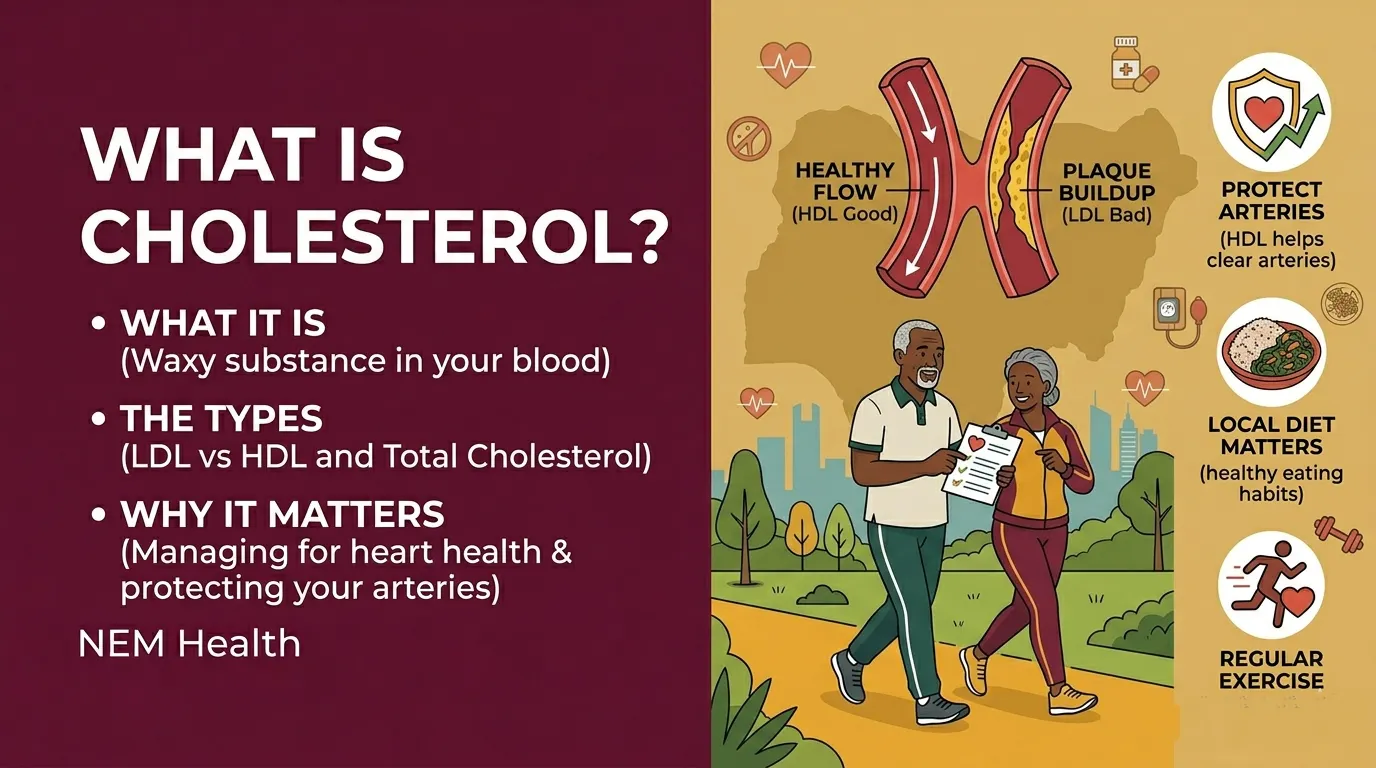
The LDL carries cholesterol from your liver to cells throughout your body. When you have too much LDL cholesterol in your blood, it can deposit in artery walls, forming plaque that narrows arteries and restricts blood flow.
This plaque buildup leads to atherosclerosis, increasing the risk of heart attack and stroke. According to the American Heart Association, high LDL is a major risk factor for cardiovascular disease.
HDL (High-Density Lipoprotein): "Good" Cholesterol
HDL collects excess cholesterol from your arteries and tissues and transports it back to your liver for disposal.
Higher HDL levels protect against heart disease by removing cholesterol that would otherwise build up in arteries. HDL is more like your cardiovascular system's garbage collection service.
VLDL (Very Low-Density Lipoprotein)
VLDL carries triglycerides (which are another type of fat) from your liver to tissues. Like LDL, high VLDL contributes to plaque buildup in arteries. VLDL is typically estimated as 20% of your triglyceride level.
Triglycerides
Triglycerides are not technically cholesterol; they are another type of fat in your blood measured in lipid panels. High triglyceride levels combined with high LDL or low HDL can significantly increase the risk of heart disease. Triglycerides come primarily from excess calories, especially from sugar, alcohol, and refined carbohydrates.
Why Managing Cholesterol Is So Important
High cholesterol is often referred to as a "silent killer" because it causes no symptoms until serious damage occurs. Here are some of the risks it causes and why it’s important to take preventive measures:
Also read: Protect Your Vision: Living Well with Glaucoma
1. Atherosclerosis and Plaque Buildup
When LDL cholesterol is too high, it deposits in artery walls, forming fatty plaque. Over time, this plaque hardens and narrows arteries (atherosclerosis), reducing blood flow to vital organs. Plaque can also rupture, triggering blood clots that completely block arteries.
2. Risk of Heart Attack
When plaque blocks arteries feeding the heart muscle, the heart cells die from lack of oxygen; this is a heart attack. According to the American Heart Association, managing cholesterol can reduce heart attack risk by up to 30-40%.
3. Stroke risk
Plaque in the arteries leading to the brain can cause strokes when blood flow is blocked or when plaque ruptures and clots travel to the brain. According to data from the CDC, high cholesterol doubles the risk of stroke.
4. Peripheral Artery Disease
When cholesterol builds up in leg and arm arteries, it can cause pain, numbness, and lead to dangerous infections or amputations in severe cases.
5. Global and Nigerian context
Cardiovascular disease remains the leading cause of death globally. In Nigeria, where hypertension affects 30% of adults, high cholesterol often coexists with high blood pressure, increasing cardiovascular risk, according to the WHO Nigeria reports.
Most cholesterol-related heart attacks and strokes are preventable through changes in lifestyle, regular check-ups, and medication when needed.
Regular screening helps spot high cholesterol early before it causes irreversible damage. NEM Health has helped individuals spot high cholesterol early enough through its coverage of such screenings in its health plans, reducing out-of-pocket expenses in paying medical bills.
The Different Cholesterol Levels
To know your cholesterol levels, you will need to carry out a lipid panel test. This measures four things: Total cholesterol, LDL, HDL, and triglycerides.
- Total Cholesterol: Less than 200 mg/dL
- LDL (Bad) Cholesterol: Less than 100 mg/dL
- HDL (Good) Cholesterol: 60 mg/dL or higher
- Triglycerides: Less than 150 mg/dL
When should I Get My Cholesterol Checked?
Adults should have their cholesterol checked every 4-6 years starting at age 20, while those with risk factors (family history, obesity, diabetes, smoking) should test more frequently.
How to Manage Your Cholesterol Effectively
Changes in Diet
- It’s important to reduce saturated fats found in red meat, full-fat dairy, and fried foods.
- Consider avoiding trans fats (partially hydrogenated oils) found in some processed foods.
- Increase soluble fibre from oats, beans, lentils, apples, and vegetables; soluble fibre binds cholesterol in your digestive system and removes it.
- Add plant sterols and stanols found in fortified foods and nuts, which block cholesterol absorption.
- Include healthy fats from fatty fish (omega-3s), nuts, avocados, and olive oil.
Physical Activities
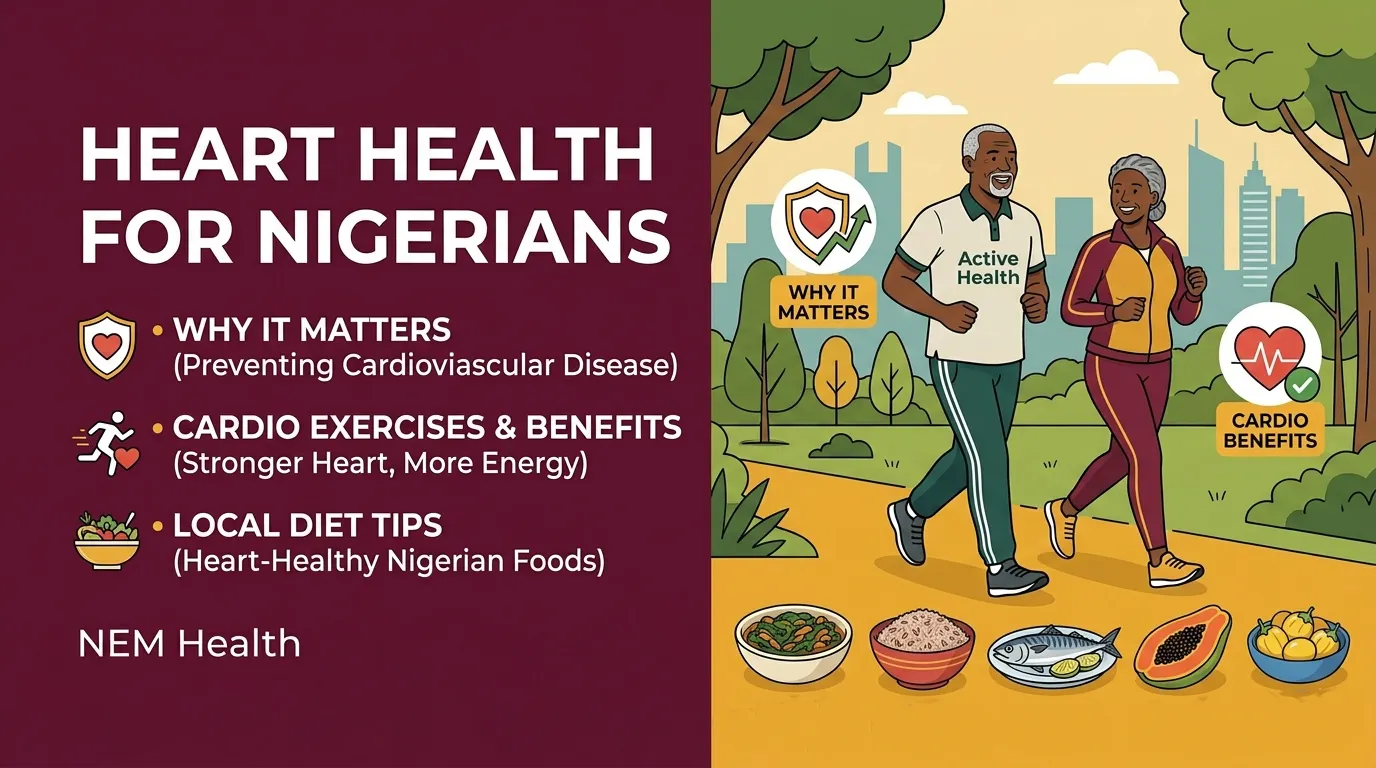
Exercise raises HDL (good) cholesterol while lowering LDL and triglycerides. You can consider 150 minutes weekly of moderate activities like walking/strolling, dancing, or cycling. Even 30 minutes of daily walking makes a measurable difference in cholesterol levels.
Managing Your Weight
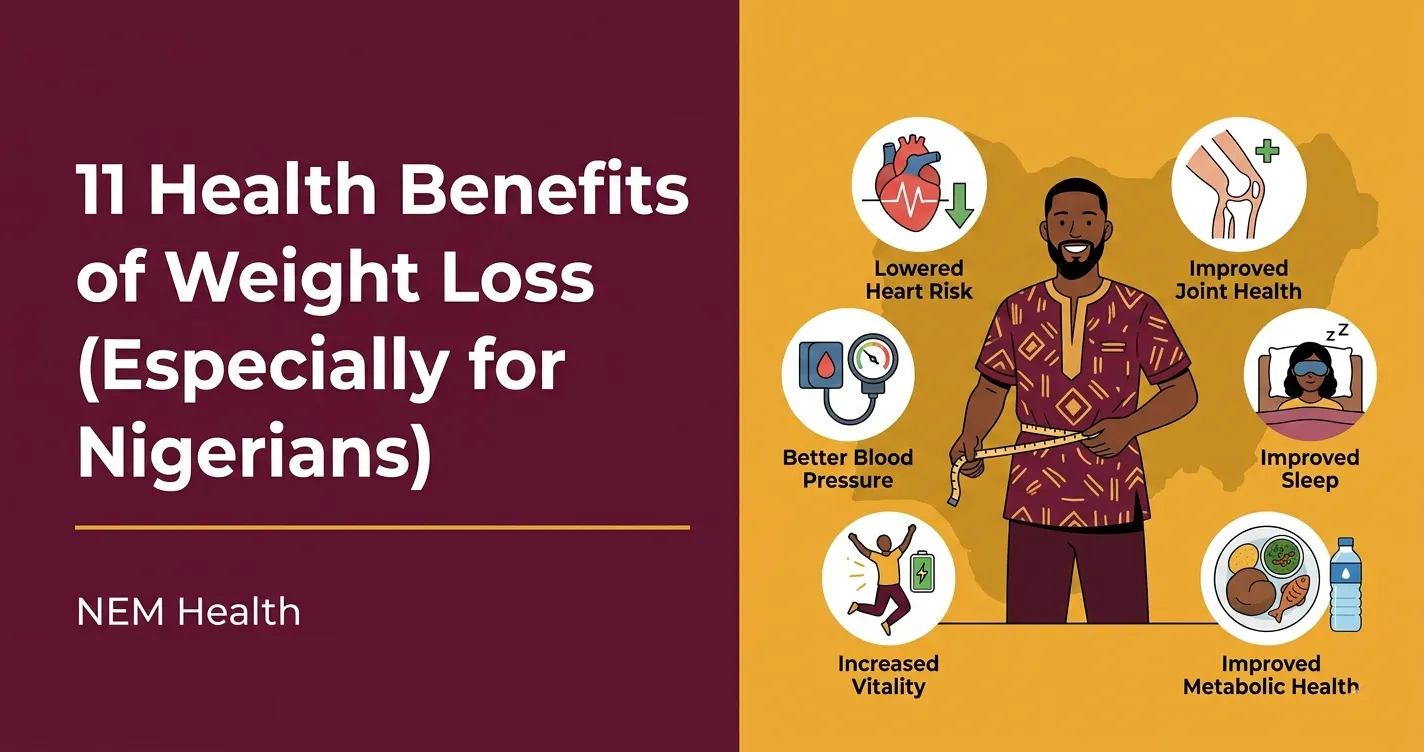
Losing even 5-10% of body weight if overweight can significantly improve cholesterol levels. Weight loss is especially effective for lowering triglycerides and raising HDL.
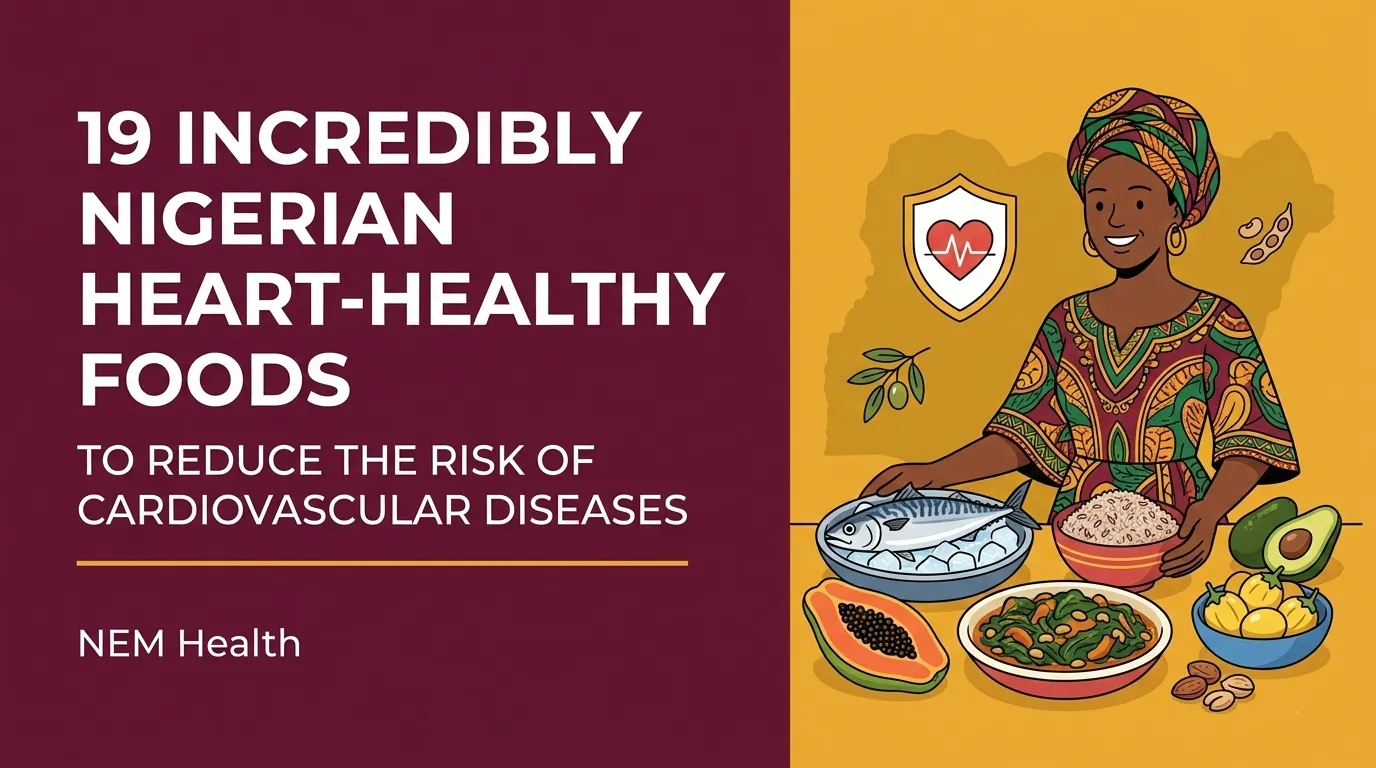
Also read: 19 Incredibly Heart-Healthy Foods to Reduce the Risk of Cardiovascular Diseases
Quit Smoking
Smoking lowers HDL cholesterol and damages artery walls, making them more susceptible to plaque buildup. Quitting can significantly improve HDL.
Limit Alcohol
Excessive drinking can raise triglycerides and lead to high cholesterol. If you must drink, it’s important you do so moderately.
Take Medication When Needed
When changes in lifestyle are not enough, cholesterol-lowering medications recommended by a qualified medical professional can reduce LDL. It’s always advisable to continue taking your prescribed medications unless your doctor says otherwise.
Regular Monitoring/Screening
It is important to track your cholesterol regularly, especially when making changes in your lifestyle or taking medications.
Also read: Why WHO Backs Preventive Care, And You Should Too
Get the Support You Need
Managing cholesterol requires ongoing commitment and regular medical screening/ monitoring. Having reliable healthcare support makes this journey easier and more effective.
Don't wait for a heart attack or stroke to take cholesterol seriously. Know your level, understand what they mean, and take the necessary steps to keep them in healthy ranges.