
Bone Health: 7 Tips to Keep Your Bones Healthy (What a Nigerian Should Know)
NEM Health
October 30, 2026

Most people don’t think about their bones until something goes wrong, like a fracture, a fall, or a diagnosis of bone loss.
But bone health is something you build and protect over a lifetime, and the habits you form today determine how strong and mobile you remain as you age.
According to the National Institutes of Health (NIH), bone density peaks in early adulthood and gradually declines after that, making early prevention essential. We curated seven practical tips every Nigerian should know to keep their bones healthy.
7 Tips to Keep Your Bones Healthy
1. Get Enough Calcium
Calcium is the primary mineral in your bones, and getting enough of it regularly is one of the most important things you can do for bone health. When your diet doesn’t supply enough calcium, your body draws it from your bones, weakening them over time.
Good Nigerian food sources include fish (especially small ones eaten with their soft bones), beans, leafy vegetables like ugu and waterleaf, dairy products such as milk and yogurt, and fortified foods.
According to NIH bone health guidance, calcium needs vary by age and sex, so speak with a healthcare professional to confirm what is right for you before starting supplements.
2. Get Enough Vitamin D
Vitamin D helps your body absorb calcium properly. Without enough of it, even a calcium-rich diet may not adequately protect your bones.
Sensible sun exposure is a natural source. Early morning sunlight in Nigeria, before the heat peaks, is a reasonable option for many people. Dietary sources include oily fish, egg yolks, and fortified foods.
If you think you may be deficient, ask your doctor before taking supplements, as too much vitamin D can cause harm.
3. Eat Enough Protein and Other Bone-Supporting Nutrients
Bones are not made of calcium alone. Protein supports the structural framework of bone tissue, while magnesium and potassium help regulate calcium balance in the body, according to AAOS OrthoInfo.
Practical Nigerian sources include eggs, fish, chicken, beans, groundnuts, and a wide variety of vegetables. Eating a reasonably varied diet built around whole, local foods goes a long way toward covering these nutritional bases without needing supplements.
4. Do Weight-Bearing Exercise
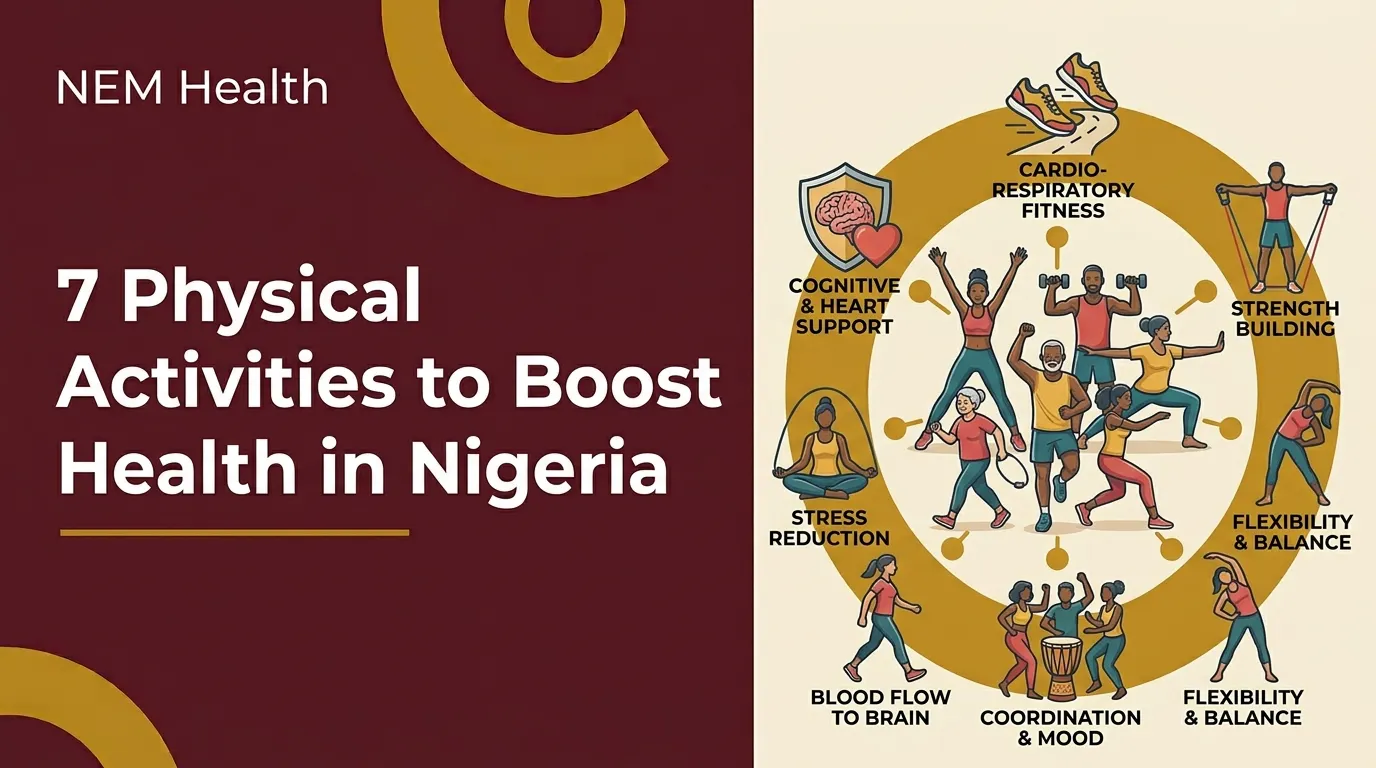
Weight-bearing activities, where your body works against gravity, may help maintain bone density over time. This includes brisk walking, dancing, climbing stairs, and light jogging, according to Harvard Health.
For Nigerians, this can be as simple as walking to nearby destinations where it is safe, dancing to music you enjoy at home, or deliberately taking the stairs at work. If you are just starting, aim for 20-30 minutes most days and build from there. Those with joint problems or previous fractures should get medical advice and clearance first.
5. Build Muscle Strength
Strong muscles protect bones by improving balance, reducing fall risk, and supporting the skeleton during movement. Bodyweight exercises such as sit-to-stand movements, wall push-ups, and chair squats are safe, effective, and require no equipment.
Start slowly, focus on good form, and increase the difficulty gradually. Older adults or anyone with mobility concerns should consider working with a physiotherapist, particularly when beginning resistance training for the first time.
6. Avoid Smoking and Limit Alcohol
Smoking is associated with lower bone density and higher fracture risk according to the Bone Health and Osteoporosis Foundation. Excessive alcohol consumption may also interfere with the body’s ability to absorb calcium and produce bone-forming cells.
If you smoke, stopping is one of the most impactful things you can do for both bone and overall health. Speak with a healthcare provider about support options. If you drink alcohol, keeping it moderate is advisable for your bones and your broader health.
7. Prevent Falls and Know Your Risk
Even strong bones can break in a bad fall, and fall prevention becomes increasingly important with age. Practical steps include keeping your home well-lit, removing loose rugs or floor hazards, wearing supportive footwear indoors and outdoors, and practising simple balance exercises regularly.
Some medications can increase dizziness or affect balance; ask your doctor to review anything you take regularly.
Safety Note
If you have kidney disease, digestive disorders, a history of fractures, long-term steroid use, pregnancy-related concerns, or significant mobility limitations, consult a healthcare professional before changing your diet, starting supplements, or beginning a new exercise programme.
Healthy habits support general bone health but do not replace professional diagnosis or treatment. Your bones support every step you take, every hug you give, and every year of active life ahead of you. Protecting them is worth prioritising, starting now, at any age.