
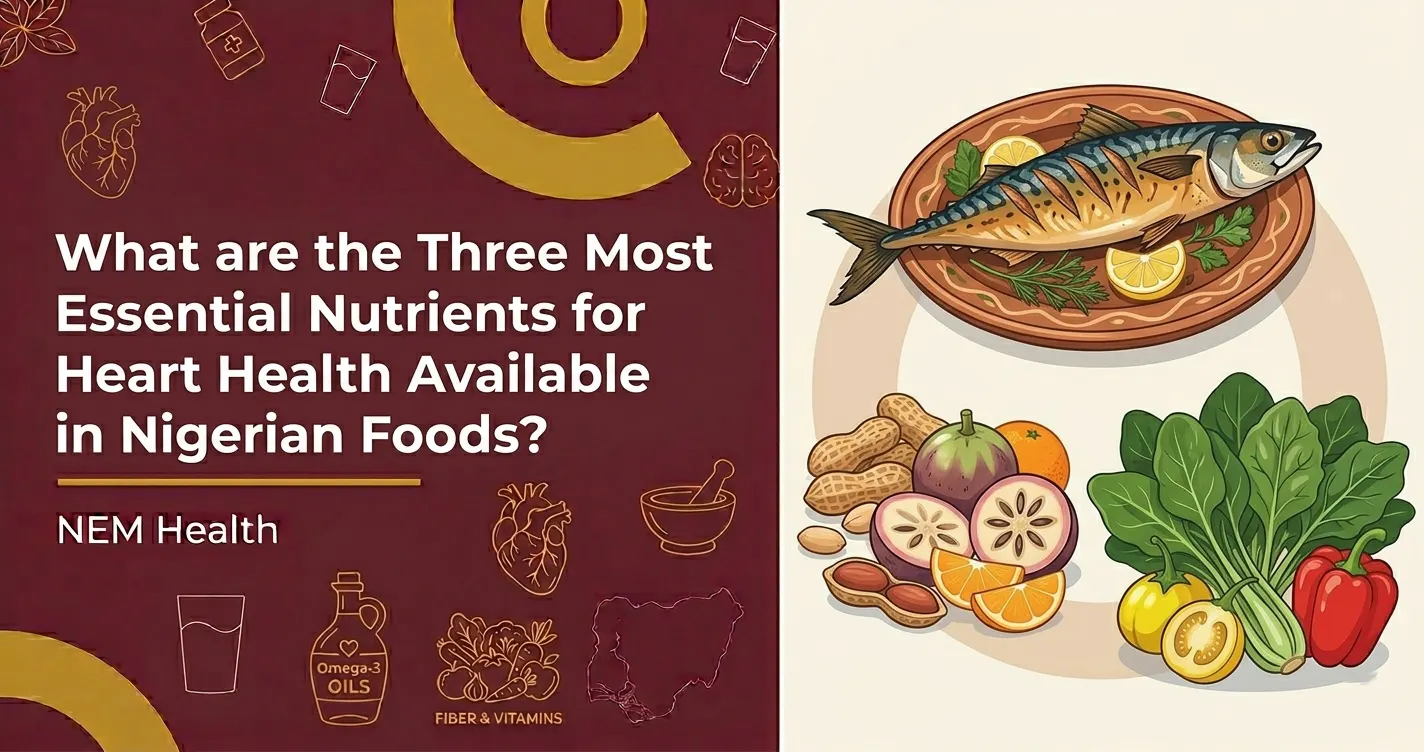
What are the Three Most Essential Nutrients for Heart Health Available in Nigerian Foods?
NEM Health
May 14, 2026
Have you ever thought that the food on your plate could communicate with your heart? It turns out, it can. But how?
Here’s it: while cardiovascular disease remains a global health challenge, research shows that specific nutrients play a significant role in supporting your heart health. And according to the American Heart Association (AHA) and the National Heart, Lung, and Blood Institute (NHLBI), three nutrients stand out for their consistent benefits.
While no nutrient replaces medical treatment or professional advice, understanding what the three essential nutrients are is helpful and empowers you to have better conversations with your doctor.
The good thing is that these nutrients are readily available in affordable Nigerian foods. This guide explains why these three nutrients matter, how they protect your cardiovascular system, food sources you can find in local markets, and how to ensure you're getting enough to keep your heart healthy.
Why Nutrients Matter for Heart Health
Before we look at these specific nutrients, let’s understand how nutrition impacts cardiovascular health, which provides important context for making better food choices.
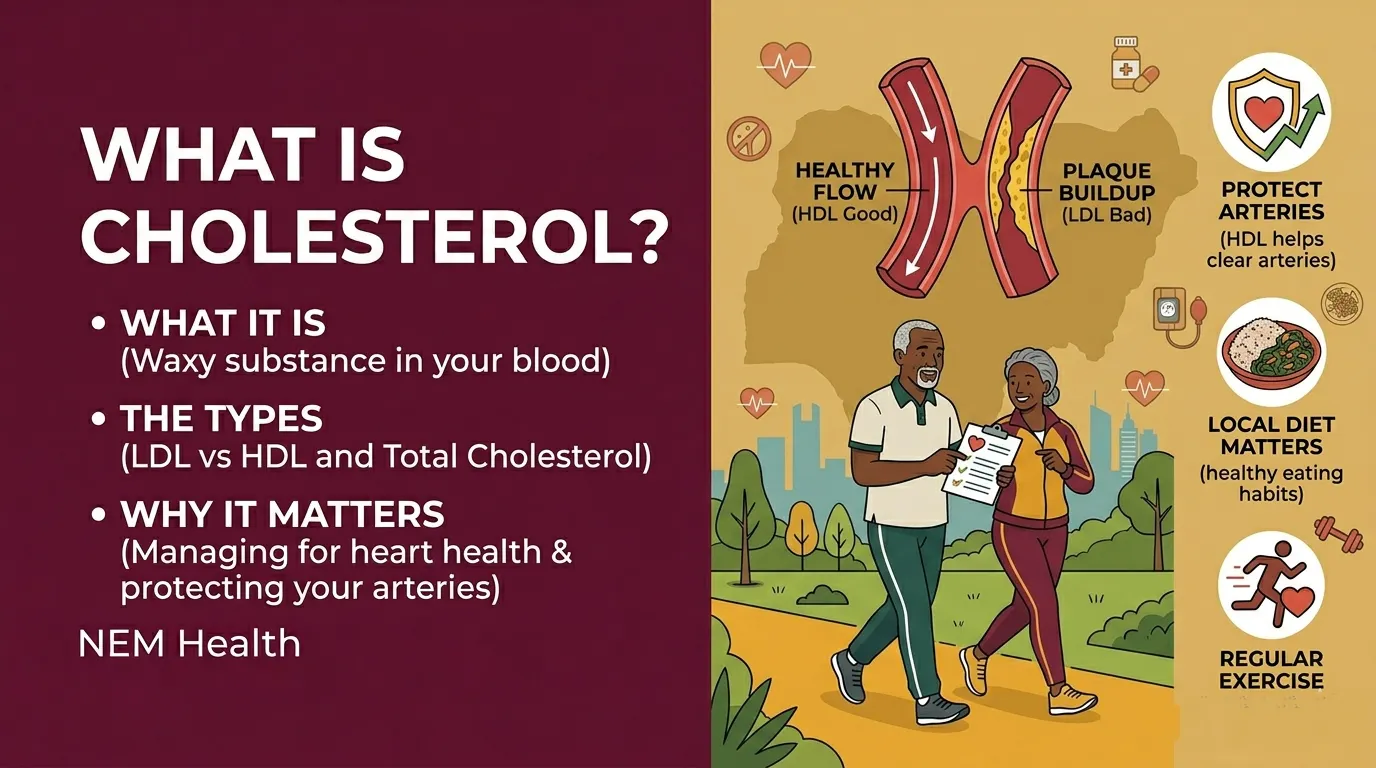
What you eat directly affects your heart's health and risk of disease. Nutrients can influence blood pressure levels, cholesterol profiles, inflammation throughout your cardiovascular system, blood sugar control, and weight management.
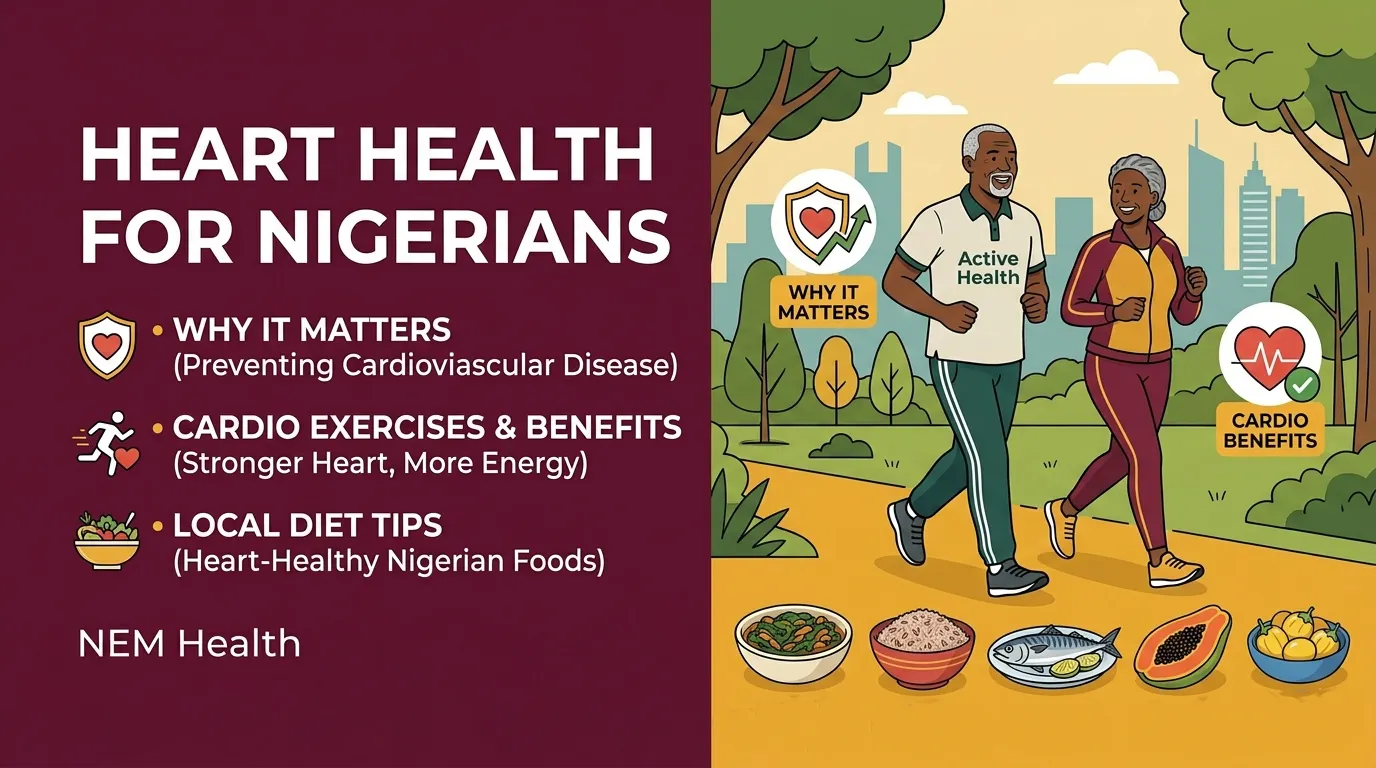
Heart disease remains the leading cause of death globally, accounting for nearly one-third of all deaths according to WHO data. In Nigeria, cardiovascular diseases are rising rapidly due to changing dietary patterns, with more processed foods and fewer traditional, nutrient-rich meals.
The encouraging thing is that up to 80% of cardiovascular disease is preventable through lifestyle factors, with nutrition playing a major role according to the WHO prevention guidelines. The three nutrients discussed in this article have the strongest scientific evidence for this.
Also read: What Causes High Blood Pressure in Young Adults?
While this article focuses on three essential nutrients, remember that whole dietary patterns matter most. These nutrients work best when part of an overall healthy eating approach rich in vegetables, fruits, whole grains, lean proteins, and healthy fats.
Essential Nutrients for Heart Health
1. Omega-3 Fatty Acids
If you may have heard of fish oil, then you’ve heard of the major source of omega-3 fatty acids, particularly EPA and DHA, which are polyunsaturated fatty acids that heart health experts frequently study.
Research published by the AHA shows that omega-3s can help lower triglyceride levels significantly. These nutrients support healthy blood vessel function and may reduce inflammation.
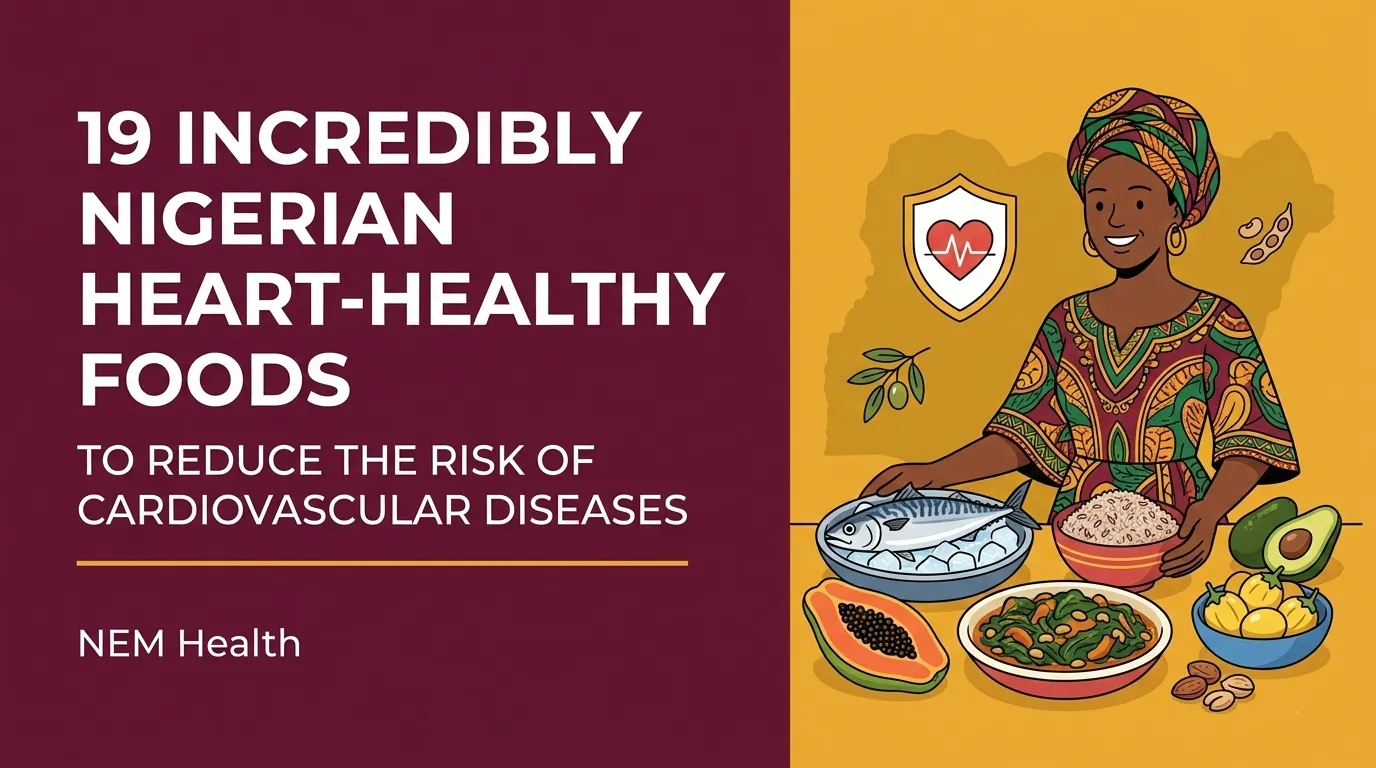
You can find these nutrients in fatty fish like mackerel (common in Nigeria), sardines, and fresh tuna. For those who don't eat fish, walnuts, flaxseeds, and chia seeds contain ALA (alpha-linolenic acid), a plant-based omega-3 that your body can partially convert to EPA and DHA.
Also, note that supplements vary in quality. Hence, always consult a doctor or dietitian to advise which supplements suit your specific condition.
2. Potassium
Potassium is a mineral that helps your body manage sodium balance, and processed foods contain high sodium, which can affect blood pressure.
Potassium supports the body’s natural ability to relax blood vessel walls. The American Heart Association notes that diets rich in potassium from whole foods are linked to better blood pressure control. Potassium helps by supporting normal nerve and muscle function, including the heart muscle.
Major sources of potassium include boiled plantain, beans, ugu (fluted pumpkin leaves), waterleaf, spinach, tomatoes and tomato-based sauces, oranges, and bananas.
It’s also important to note that too much potassium (especially from supplements) can be dangerous, particularly for people with kidney conditions. Always ask your doctor before focusing heavily on potassium.
3. Dietary Fibre
Fibre is not just for digestion. Soluble fibre, in particular, interacts with bile acids in the intestines. The National Heart, Lung, and Blood Institute (NHLBI) explains that this process can support the body’s natural management of cholesterol.
Soluble fibre binds to bile acids, which may help the body remove them naturally, and allow the liver to use cholesterol to produce more bile.
Some of the major sources of soluble fibre include oats and oat-based foods, which are among the richest sources of beta-glucan, a particularly effective soluble fibre. Beans, lentils, and black-eyed peas provide abundant soluble fibre plus protein and minerals. Fruits like oranges, apples (with skin), and guavas contain pectin, a soluble fibre. Vegetables, including carrots, okra, and eggplant, also contain soluble fibre.
Conclusion
You now know what the three most essential nutrients for heart health are. Omega-3s, potassium, and fibre each play unique roles in supporting a healthy heart.
Also read: What is Health Insurance? A Complete Guide for Nigerians
However, no blog post, no matter how well-researched, can replace the advice of a trained medical professional who understands your body. Hence, understanding nutrients is valuable, but knowing your personal numbers is even better. You might eat a balanced diet and still have genetic risks for high cholesterol or hypertension.
That is where regular medical check-ups are recommended. HMOs like NEM Health provide health insurance plans that cover essential screenings such as lipid profiles and blood pressure, which can help you review your diet, run necessary tests, and get personalised advice beyond the general tips you find online.