
What Causes High Blood Pressure in Young Adults? A Guide for Nigerians
NEM Health
April 9, 2026
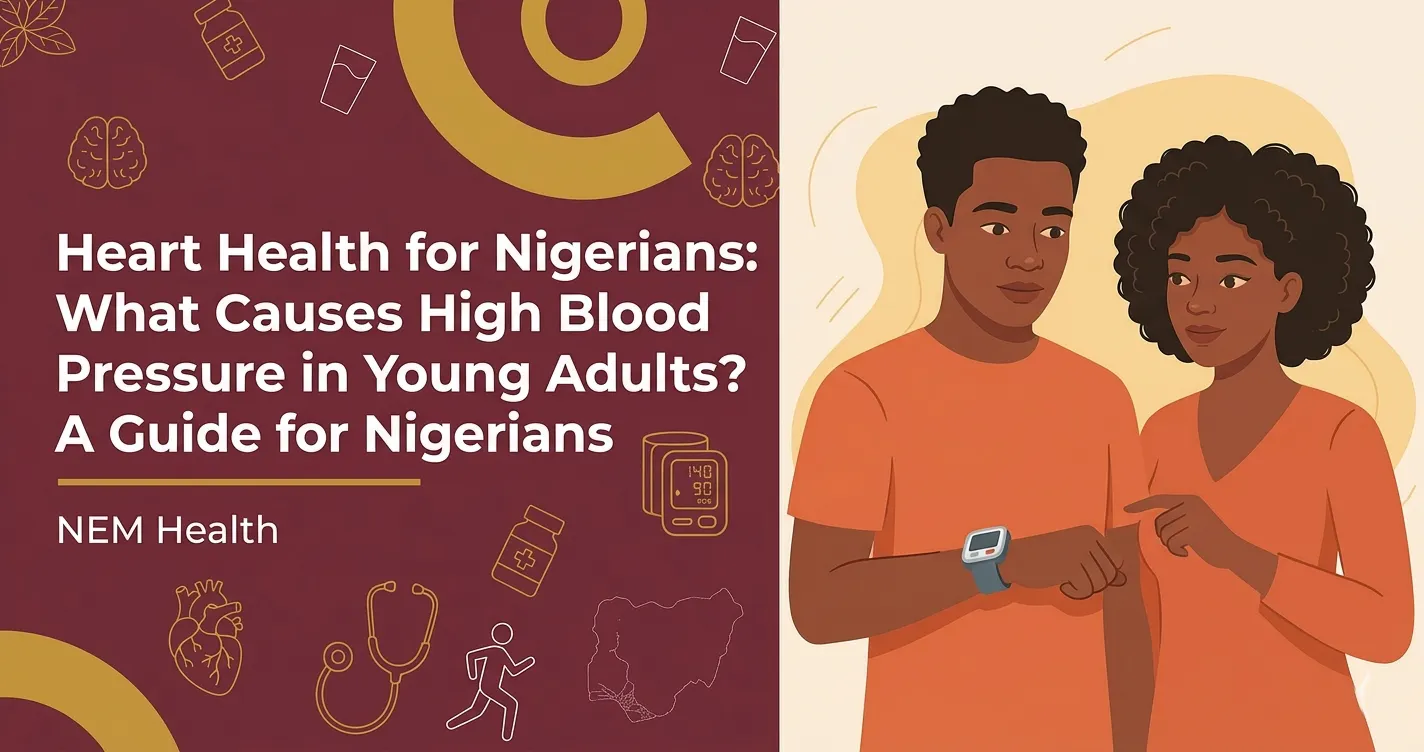
Hassan was 23 years old when he fell ill and ended up in hospital for four days. The diagnosis? High blood pressure. He had no idea. He felt like a perfectly healthy young man. And that is exactly what makes this condition so dangerous.
For a long time, Nigerians thought of hypertension as an older person's problem. Something that came with grey hair and retirement. But that picture is changing fast, and the numbers are impossible to ignore.
According to the 2025 State of Health of the Nation Report released by Nigeria's Federal Ministry of Health and Social Welfare, at least 40% of Nigerian adults are living with hypertension. Doctors across the country are now reporting a clear and worrying rise in cases among people in their 20s, 30s, and early 40s. (Source: Premium Times, citing Federal Ministry of Health Report, 2025)
The most alarming part is that most of them do not know. Hypertension has no noticeable symptoms in its early stages. It has been called the silent killer for good reason. By the time many young Nigerians find out they have it, real damage may already be happening quietly inside their bodies.
This article breaks down why high blood pressure is rising among young Nigerians, what causes it, what the warning signs actually are, and most importantly, what you can do about it today. Because this is one condition that responds very well to early action.
What Is High Blood Pressure?
Blood pressure is the force your blood exerts against the walls of your arteries as your heart pumps it through your body. It is measured as two numbers. The top number, called systolic pressure, measures pressure when your heart beats. The bottom number, called diastolic pressure, measures pressure when your heart rests between beats.
According to the World Health Organisation, you have high blood pressure when your readings are consistently at or above 140/90 mmHg. Readings between 130/80 and 139/89 mmHg are considered Stage 1 hypertension, and readings of 140/90 and above are Stage 2. (Source: World Health Organisation, WHO)
A normal blood pressure reading sits around 120/80 mmHg or below. If your reading is between 120/80 and 129/80, that is elevated blood pressure, a signal to start paying attention before things progress further.
The challenge with high blood pressure is that it rarely announces itself. Most people feel completely fine, even when their numbers are dangerously high. This is why regular blood pressure checks are so important, especially as a young Nigerian in today's high-pressure, fast-paced environment.
Why Are Young Nigerians Getting High Blood Pressure?
This is not just a Nigerian problem. Globally, hypertension rates among young adults are rising. But Nigeria carries a heavier burden than most. A systematic review published in PMC found that hypertension cases in Nigeria grew by 540% between 1995 and 2020, from about 4.3 million people to 27.5 million. And the rate is still climbing. (Source: PMC, Okubadejo et al., Hypertension prevalence in Nigeria, 2021)
Among young adults specifically, studies across Enugu, Ibadan, and multiple other Nigerian states have found hypertension prevalence rates ranging from 18% to over 21% in the 18 to 45 age group. (Source: Nigerian Medical Journal, Nwoke et al., 2024; ResearchGate, Hypertension in Young Adults, 2022)
Several things are driving this. Understanding them is the first step to protecting yourself.
7 Common Causes of High Blood Pressure in Young Adults
1. Too Much Salt and Processed Food
The Nigerian diet has always included salt. But the way Nigerians eat is changing. Bouillon cubes, instant noodles, processed snacks, fast food, and heavily seasoned takeaways have all become daily staples, especially in cities. These foods are loaded with sodium, and sodium is one of the most direct drivers of high blood pressure.
When you consume too much sodium, your body holds onto excess water to dilute it. That extra water increases the volume of blood in your vessels, which forces your heart to work harder and raises the pressure on your artery walls. Over time, this wears those walls down. (Source: National Heart, Lung and Blood Institute, NHLBI)
Doctors advise reducing bouillon cube use and replacing it with natural seasonings like uziza, nchanwu, crayfish, ginger, garlic, and fresh tomatoes. These add flavour without the sodium load.
Also read: Protect Your Vision: Living Well with Glaucoma
2. A Sedentary Lifestyle
Long hours at a desk, long commutes in Lagos or Abuja traffic, evenings spent on a phone or laptop. For many young Nigerian professionals and students, physical movement has quietly been designed out of daily life.
Physical inactivity leads to weight gain and weakens the cardiovascular system. A heart that does not get regular exercise has to work harder to do its job, and that extra effort shows up in your blood pressure readings. A country-wide Nigerian study published in the Journal of Human Hypertension found that 30.7% of participants had low physical activity levels, which was directly linked to higher blood pressure rates. (Source: Journal of Human Hypertension, Adeke et al., 2024)
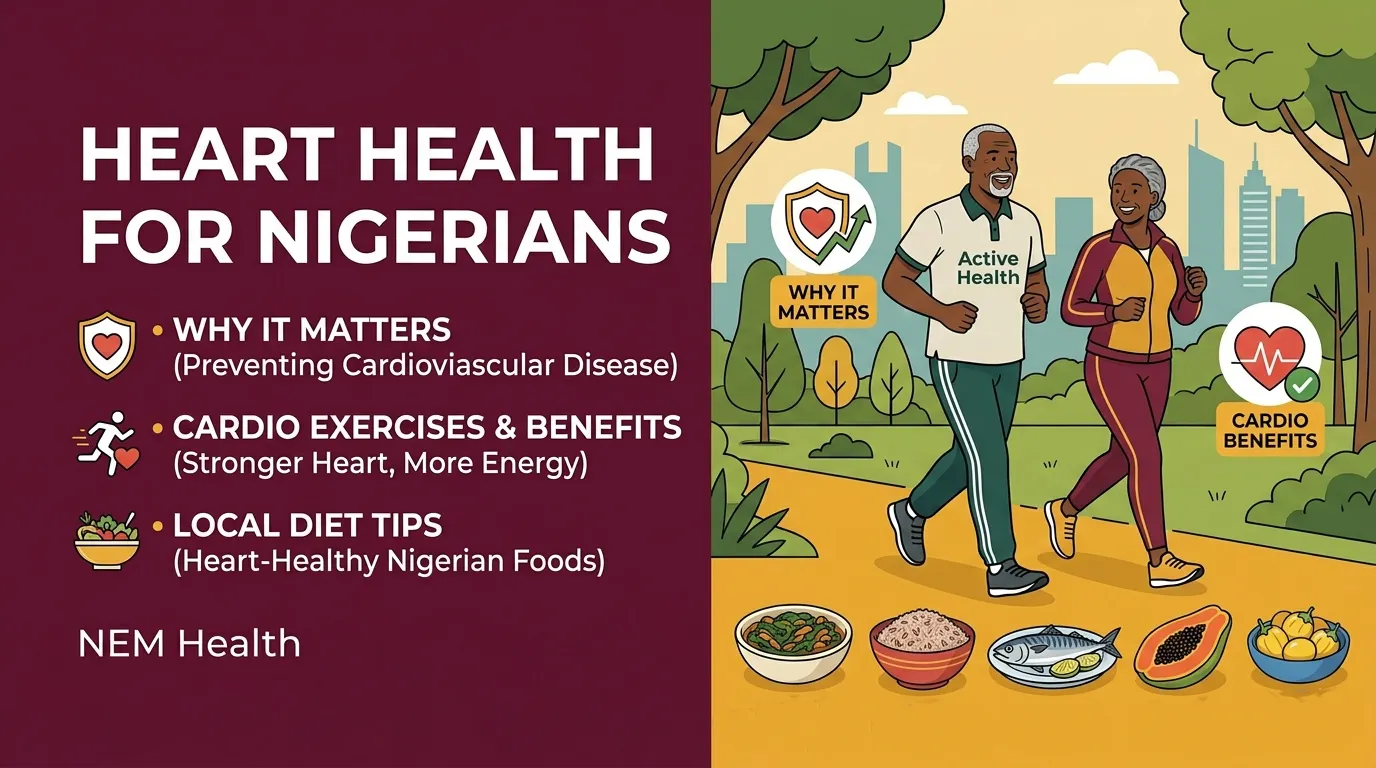
The good news is that you do not need a gym membership to fix this. Thirty minutes of brisk walking five days a week is enough to make a measurable difference to your blood pressure over time. Walking to the bus stop, taking the stairs, or even dancing to Afrobeats in your living room counts.
3. Chronic Stress
Young Nigerian adults are carrying enormous pressure. Rent, job insecurity, family expectations, ASUU strikes, difficult economic conditions, and the relentless scroll of social media. Stress is everywhere, and it is doing real damage to blood pressure.
When you are stressed, your body releases adrenaline and cortisol, hormones that temporarily spike your heart rate and narrow your blood vessels. In short bursts, this is normal. But when stress is constant, and for many Nigerians it is, this sustained state of tension can push your blood pressure up and keep it there.
A study of clinical students at the University of Ibadan found that perceived stress was among the most significant risk factors for hypertension and prehypertension in young adults. This population appeared healthy and active. Stress alone was enough to raise the risk. (Source: PMC, BMC Cardiovascular Disorders, University of Ibadan, 2025)
4. Overweight and Obesity
Excess weight forces the heart to pump blood through a larger body, increasing the pressure on artery walls. It also reduces the kidneys' ability to regulate sodium and fluid levels, further compounding the problem.
Nigeria is facing a growing obesity challenge. The Global Nutrition Report found that 15.7% of Nigerian women and 5.9% of Nigerian men are now obese, with rates climbing steadily. This is directly fuelling the rise in hypertension among younger Nigerians. (Source: Global Nutrition Report, cited in NEM Health weight loss article)
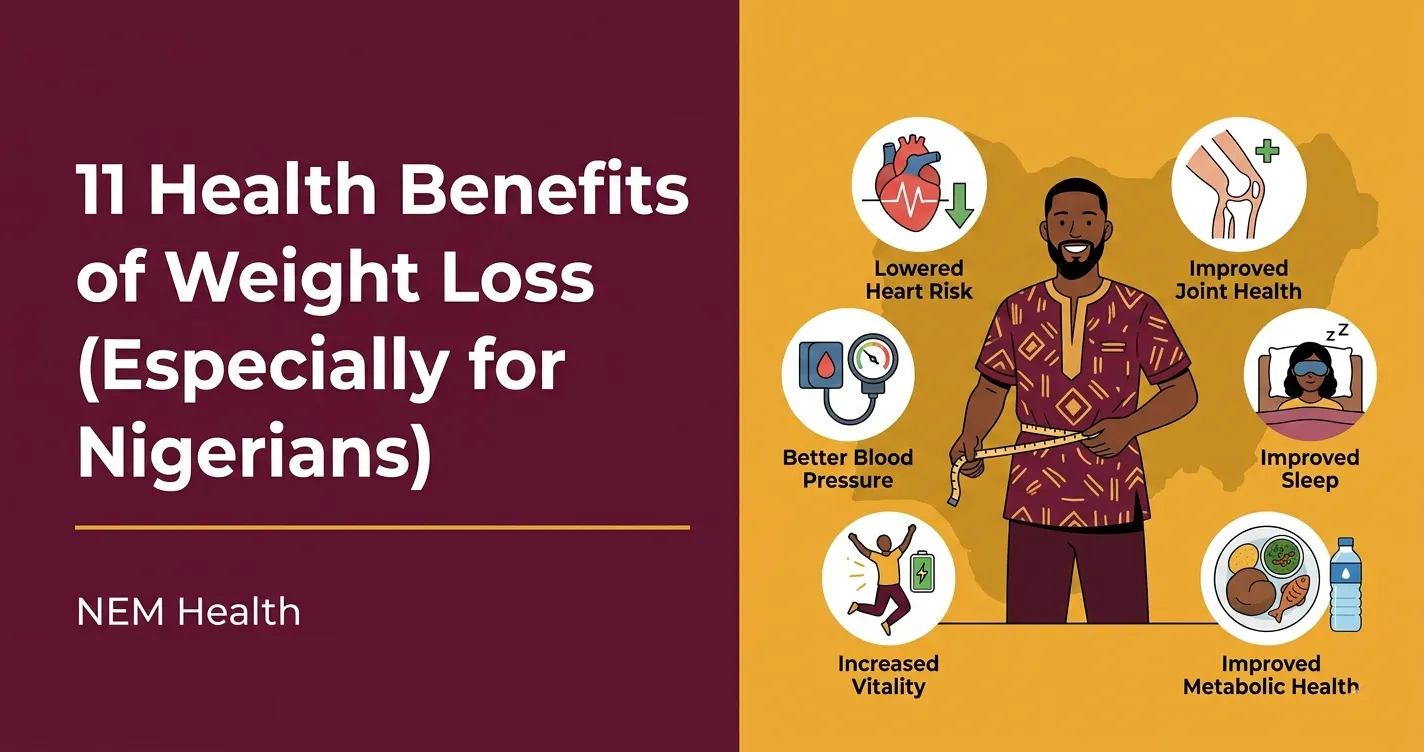
The relationship between weight and blood pressure is one of the most direct in medicine. Losing even a small amount of excess weight can cause a meaningful drop in blood pressure, sometimes without needing medication at all. (Source: Mayo Clinic, 10 ways to control high blood pressure)
Also read: 11 Health Benefits of Weight Loss (Especially for Nigerians)
5. Family History and Genetics
If your parents, grandparents, or siblings have high blood pressure, your own risk is significantly higher. Research from the University of Ibadan found that 29.2% of hypertensive young adults had a hypertensive father, 30.6% had a hypertensive mother, and 30.3% had hypertensive grandparents. Having a hypertensive sibling was particularly predictive of developing the condition. (Source: PMC, University of Ibadan study, 2025)
You cannot change your genetics, but knowing your family history should motivate you to take preventive steps earlier. If hypertension runs in your family, you should start monitoring your blood pressure regularly, even in your 20s, not wait until your 40s or 50s when symptoms may have already caused damage.
6. Poor Sleep
Sleep is when your blood pressure naturally dips. If you are not getting enough sleep, or your sleep quality is poor, your blood pressure does not get that nightly break. Over time, this keeps average pressure levels higher than they should be.
The University of Ibadan study identified poor sleep as one of the common risk factors among hypertensive young adults in Nigeria. This is not surprising in a generation that routinely stays up late, works night shifts, or scrolls on phones until 2 am. (Source: BMC Cardiovascular Disorders, 2025)
Adults need between 7 and 9 hours of sleep per night. If you are consistently getting less, it is not just your energy levels that suffer. Your heart is paying a price, too. (Source: American Heart Association)
7. Alcohol, Smoking, and Substance Use
Heavy alcohol consumption raises blood pressure directly by narrowing blood vessels and disrupting the body's ability to regulate fluid balance. Smoking damages the walls of arteries, makes them stiff and narrow, and causes sharp spikes in blood pressure with every cigarette.
The country-wide Nigerian survey published in the Journal of Human Hypertension found that 35.4% of participants consumed alcohol, which was significantly associated with higher blood pressure. (Source: Journal of Human Hypertension, 2024)
If you smoke, stopping is one of the single most impactful things you can do for your cardiovascular health. And if you drink, keeping it moderate, no more than one or two drinks on any given day, makes a real difference to your numbers.
Does High Blood Pressure Have Symptoms?
This is where the silent killer label comes from. In most cases, high blood pressure has no symptoms at all. You can have dangerously elevated readings for months or years and feel completely normal. This is why it is so frequently undetected and untreated.
The PMC systematic review on hypertension in Nigeria found that only 29% of people with hypertension were even aware of their condition. Only 12% were on treatment. And only 2.8% had their blood pressure adequately controlled. That means the overwhelming majority of Nigerians with high blood pressure are walking around with no idea. (Source: PMC, Okubadejo et al., 2021)
In some cases, very high blood pressure may cause:
- Severe headaches, especially at the back of the head
- Dizziness or lightheadedness
- Nosebleeds
- Blurred or double vision
- Shortness of breath
- Chest tightness or palpitations
But do not wait for symptoms to show up. By the time symptoms appear, the condition is often already advanced. A blood pressure check takes less than five minutes and gives you the information you need to act early.
What Happens If You Leave It Untreated?
Untreated high blood pressure is not just a number on a machine. It is sustained damage happening inside your body, silently, over the years.
Prof Simeon Isezuo, former president of the Nigerian Hypertension Society, has described hypertension as the leading cause of stroke, heart failure, chronic kidney disease, and heart attack in Nigeria. He noted that these conditions typically strike people in their most economically productive years, devastating families and livelihoods. (Source: Daily Trust, 2025)
A 2025 Federal Ministry of Health report noted that hypertension is responsible for up to 80% of stroke cases in some Nigerian hospital studies. One stroke can take everything from a person in an instant. Loss of speech, loss of movement, loss of independence.
The damage does not just affect you. It affects everyone who depends on you.
Also Read: What It Is Diabetes, Causes, Symptoms, Treatment & Types
8 Practical Things You Can Do Right Now
The good news is that high blood pressure is both preventable and manageable. Here is what actually works.
1. Know Your Numbers
Get your blood pressure checked regularly. This is the single most important thing. If you have not checked yours recently, do it this week. Pharmacies, hospitals, and clinics across Nigeria offer this. If you have a family history of hypertension, make it part of your routine every three to six months, even if you feel completely fine.
2. Reduce Your Salt Intake
Cut back on bouillon cubes, processed snacks, instant noodles, and salty condiments. Cook more with natural seasonings. The WHO recommends no more than 5 grams of salt per day, roughly one teaspoon. Most Nigerians consume significantly more. (Source: World Health Organisation)
3. Eat More Potassium-Rich Foods
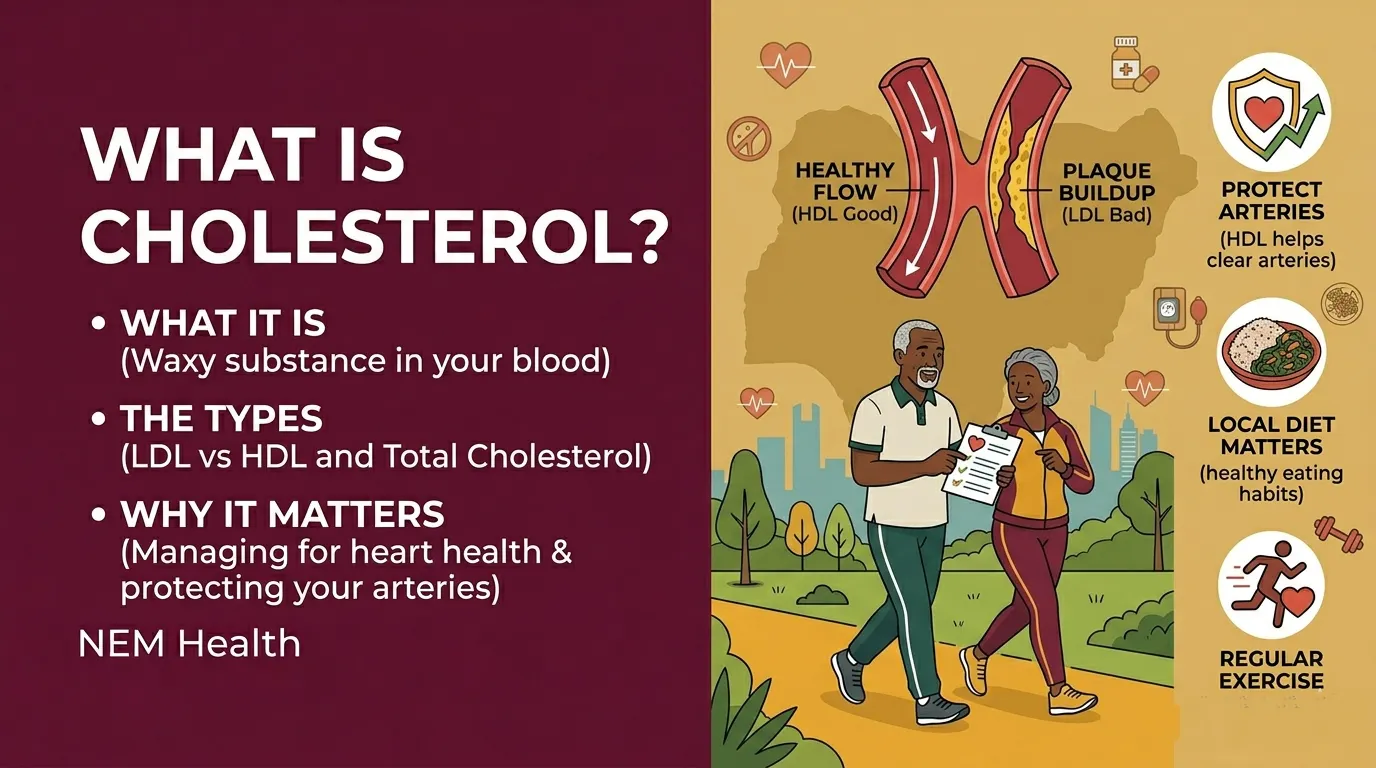
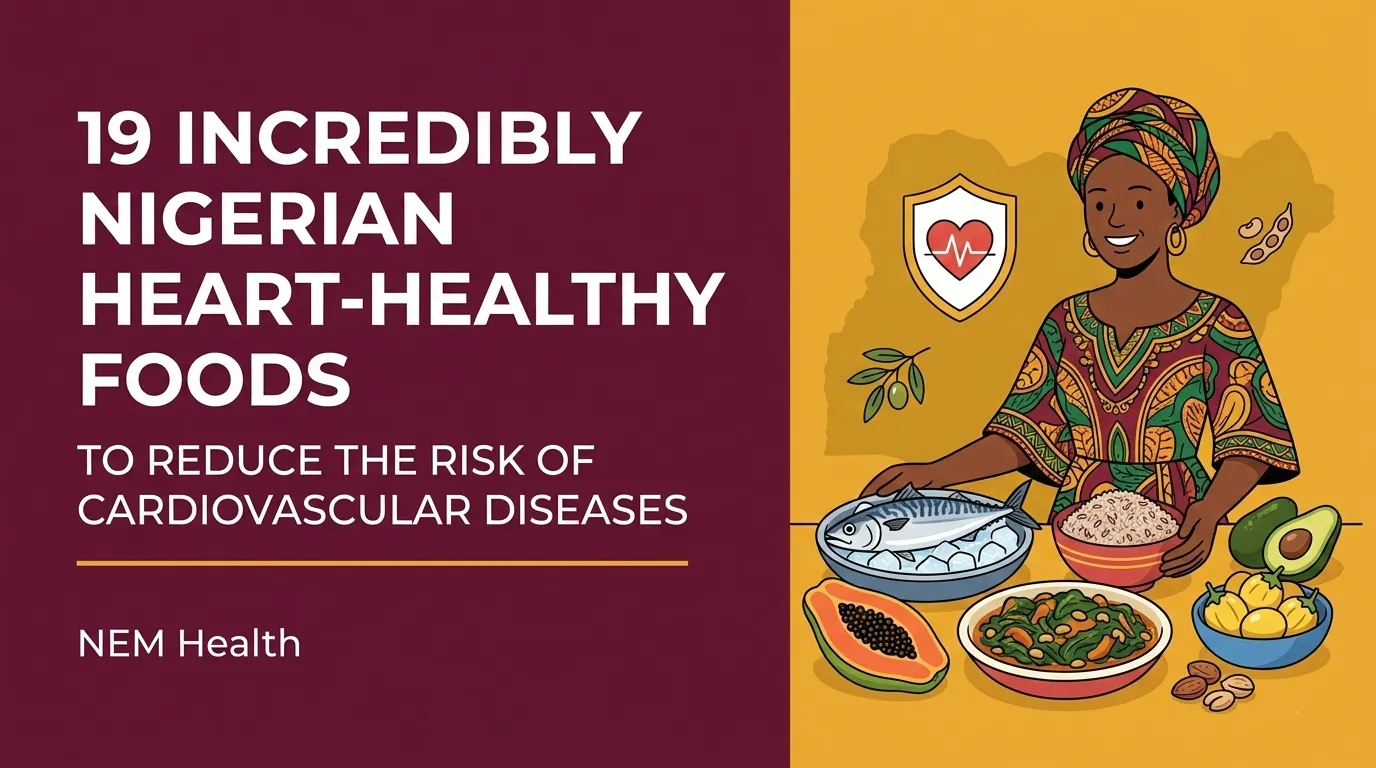
Potassium naturally counteracts sodium in the body and helps relax blood vessel walls. Good Nigerian sources include avocado pear, bananas, sweet potatoes, garden eggs, watermelon, and dark leafy vegetables like ugu and bitter leaf. The more of these you eat, the better your blood pressure will respond.
Also read: 19 Incredibly Heart-Healthy Foods to Reduce the Risk of Cardiovascular Diseases
4. Move Your Body Daily
Aim for at least 150 minutes of moderate physical activity per week. Brisk walking, cycling, swimming, or even dancing are all effective. You do not need a gym. You just need to move consistently. Regular exercise strengthens the heart so it pumps blood with less effort, directly reducing the pressure in your arteries. (Source: American Heart Association)
5. Manage Stress Intentionally
Nigerian life is stressful. But you can build habits that reduce how much of that stress your body carries. Regular exercise is one of the best stress relievers available. Deep breathing, prayer and meditation, limiting time on social media, setting work boundaries, and investing in quality time with people you trust all make a real physiological difference. Stress does not just live in your mind. It lives in your blood pressure, too.
6. Prioritise Sleep
Your heart needs the overnight rest that quality sleep provides. Protect your sleep. Keep a consistent bedtime, reduce screen time before bed, and if you are consistently waking up tired even after 7 or 8 hours, speak to a doctor about whether you may have sleep apnea, which is a direct contributor to high blood pressure.
7. Limit Alcohol and Quit Smoking
If you drink, moderate your intake. If you smoke, quitting is one of the fastest ways to lower your cardiovascular risk. Your blood pressure can start to improve within weeks of stopping. Your doctor can help you with a plan if you are finding it difficult to stop on your own.
8. See a Doctor and Stay on Treatment
If your doctor diagnoses you with hypertension and recommends medication, take it consistently. One of the biggest problems in Nigeria is that people stop their medication when they feel better, not realising that the medication is why they feel better. Stopping suddenly can cause dangerous rebounds in blood pressure.
Lifestyle changes and medication work best together. Talk to your doctor about what combination is right for you.
Also read: What is Health Insurance? A Complete Guide for Nigerians
Catching It Early Changes Everything
The story of the young woman who was repeatedly found to have high blood pressure but was never placed on treatment is not unusual in Nigeria. She took it lightly. Then one night she had a stroke and spent over a month in hospital. Today, she has recovered, but says that earlier treatment might have prevented it entirely. (Source: Daily Trust, 2025)
That is the cost of not taking this seriously. And that is the cost a good health plan helps you avoid.
When you have access to regular doctor visits, blood pressure monitoring, laboratory tests, and proper treatment without having to worry about the bill each time, you are much more likely to catch problems early and stay on top of them. That is the whole point of health cover.
Also read: Affordable Family Health Plans in Nigeria: Things You Should Know
NEM Health Is With You Before the Diagnosis, Not Just After
At NEM Health, we believe the best time to manage your health is before things go wrong. Our plans give you access to regular checkups, blood pressure monitoring, specialist consultations, and lab tests so that a condition like hypertension never gets the chance to sneak up on you.
Whether you are 25 or 45, whether you feel completely fine or already have concerns, we dey for you. Not just when something goes wrong but every day in between, through every check, every visit, and every prescription refill.
Do not wait for symptoms that may never come. Explore NEM Health plans today and take the first step toward protecting your heart and your future. Visit nem-health.com/plans to get started.