
6 Proven Health Benefits of Garlic (Especially to Nigerians)
NEM Health
August 6, 2026
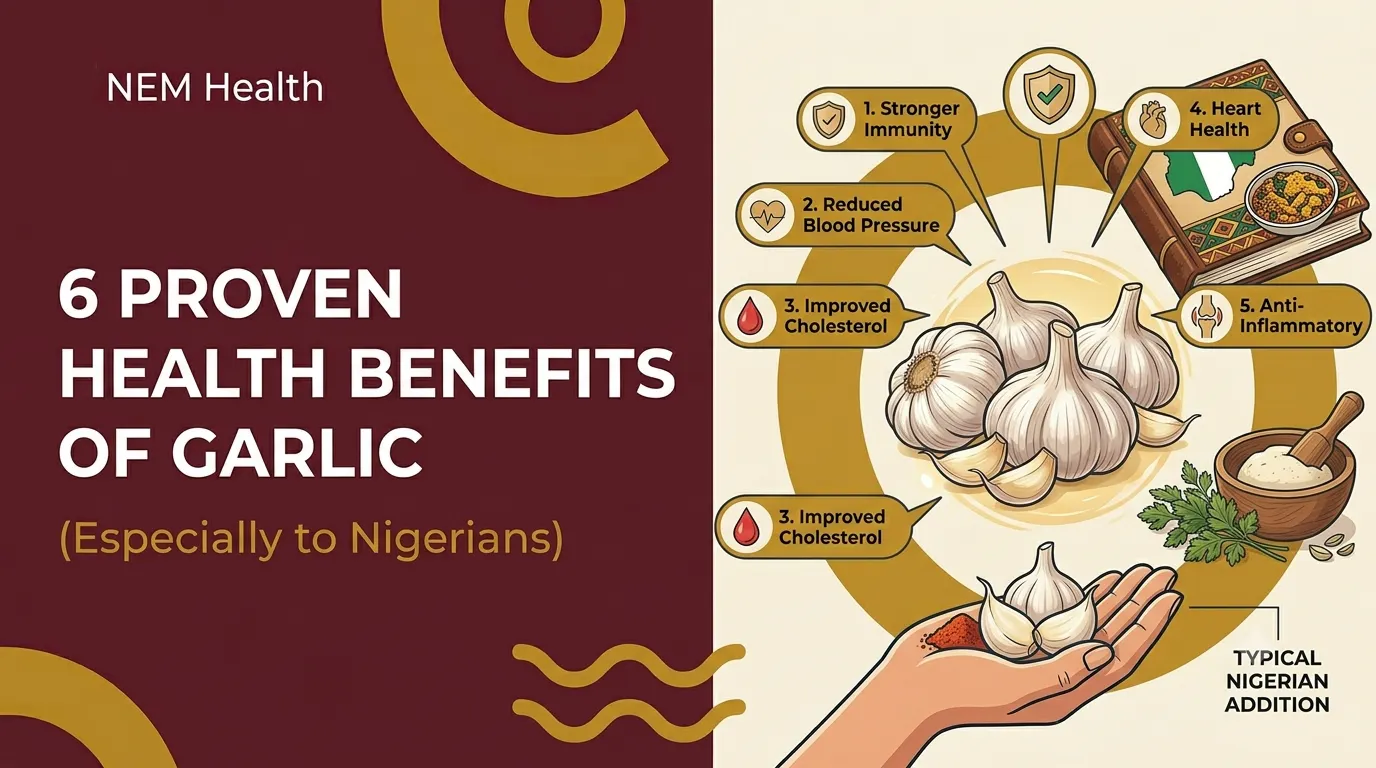
If there's one ingredient that shows up in almost every Nigerian kitchen, it's garlic. From pepper soup to jollof rice, egusi to stew base, garlic is one ingredient that is used to prepare just any meal.
But beyond taste, garlic has been studied extensively for its potential health benefits, driven largely by a compound called allicin, released when garlic is crushed or chopped.
According to the National Centre for Complementary and Integrative Health (NCCIH), garlic has been used medicinally for centuries and continues to be one of the most researched natural food ingredients in the world.
This article covers 6 proven health benefits of garlic especially relevant to Nigerians, plus a brief safety note on how to use it wisely.
Please note: This information is for educational purposes. Garlic is a food, not a cure-all. Always consult a doctor or dietitian before taking garlic supplements.
Proven Health Benefits of Garlic
1. Garlic Supports Heart Health
Heart disease is rising rapidly in Nigeria, making heart-protective foods more important than ever. Garlic has shown consistent cardiovascular benefits in multiple studies.
Research published in PMC shows that garlic supplementation is associated with meaningful improvements in cardiovascular risk factors, including blood pressure, cholesterol, and arterial stiffness.
The active compound allicin helps relax blood vessels and improves overall circulation; hence, adding fresh garlic to your soups and stews is a simple, affordable way to support heart health.
2. Garlic Helps Support Healthy Blood Pressure
High blood pressure (hypertension) affects nearly 1 in 3 Nigerian adults, and many don't even know it. Garlic offers a natural, food-based way to support blood pressure management alongside medical care.
A systematic review available on PubMed found that garlic preparations produced significant reductions in both systolic and diastolic blood pressure in people with hypertension.
Allicin is believed to stimulate the production of nitric oxide, which helps relax and widen blood vessels. This makes garlic a genuinely useful addition to a blood-pressure-conscious diet, not a replacement for prescribed medication, but a helpful complement.
3. Garlic Supports Healthier Cholesterol Levels
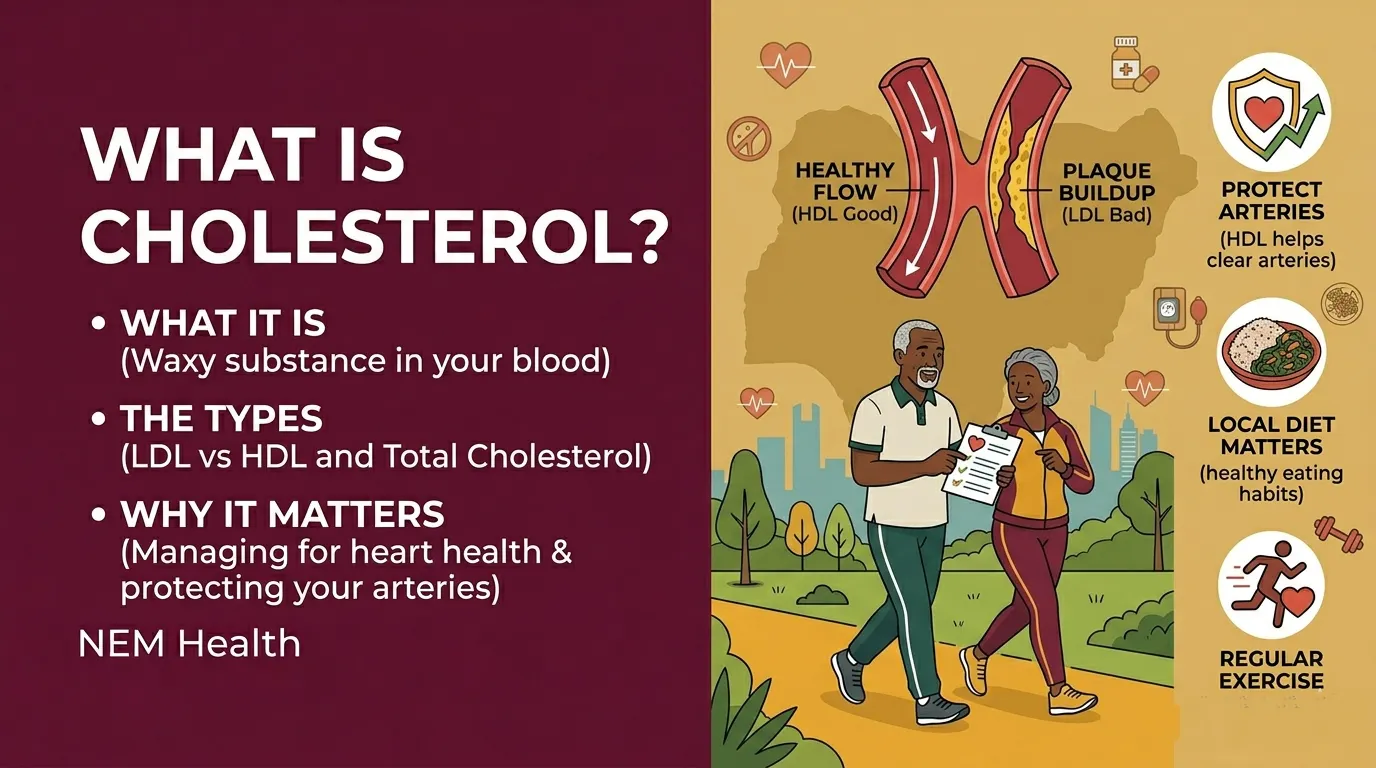
Elevated LDL (bad) cholesterol quietly damages arteries over time, increasing the risk of heart attack and stroke. Garlic has shown promising effects on cholesterol profiles in reviewed research.
According to a meta-analysis published on PMC, garlic supplementation was associated with reductions in total cholesterol and LDL cholesterol in participants with elevated levels.
While the effect sizes vary across studies, the consistent direction of evidence supports garlic as a heart-healthy food worth incorporating regularly into Nigerian meals.
4. Garlic Boosts Immune Function
Nigerians deal with a wide range of infections year-round, from seasonal flu to more serious bacterial and viral illnesses. Garlic has long been valued for its immune-supporting properties, and science is beginning to confirm why.
The NCCIH notes that garlic contains compounds with immunomodulatory effects that may help the body respond more effectively to infection.
Some studies suggest garlic may reduce the severity and duration of common colds. Crushing or chopping fresh garlic and adding it raw to sauces or at the end of cooking preserves more of its active compounds than long cooking times.
5. Garlic Has Antimicrobial and Antioxidant Properties
Beyond immunity, garlic actively fights certain harmful microorganisms and protects cells from oxidative damage, two benefits that matter enormously for long-term health.
Research reviewed on PMC confirms that garlic shows antimicrobial activity against a range of bacteria and fungi, partly due to allicin's ability to disrupt microbial cell function.
Garlic is also rich in antioxidant compounds including flavonoids and selenium, which help neutralise free radicals that damage cells and drive chronic disease. Adding freshly crushed garlic to pepper sauce or marinades is an easy way to maximise these properties in everyday Nigerian cooking.
6. Garlic May Support Blood Sugar Management
With diabetes cases climbing steadily in Nigeria, dietary strategies that help stabilise blood sugar deserve serious attention. Garlic shows early but encouraging evidence in this area.
A review available through PubMed found that garlic supplementation was associated with reductions in fasting blood glucose in people with type 2 diabetes in several controlled trials.
Researchers suggest garlic may improve insulin sensitivity and reduce oxidative stress linked to metabolic dysfunction. As always, garlic is a supportive food, not a substitute for medical diabetes management.
How Nigerians Can Use Garlic Safely
Garlic is safest and most effective when eaten as a whole food, fresh, crushed, or minced in everyday cooking. Crushing garlic and allowing it to rest for 10 minutes before cooking activates more allicin for maximum benefit.
Here are some useful tips:
- Add fresh crushed garlic to soups, stews, and pepper sauce
- Stir into marinades for fish, chicken, or beef
- Mix into salad dressings
- Add toward the end of cooking to preserve active compounds
Garlic is generally safe in food amounts, but high-dose garlic supplements can interact with blood-thinning medications and certain drugs. According to NCCIH, anyone on prescription medication or with a scheduled surgery should consult a healthcare provider before taking garlic supplements.
As earlier stated, garlic is a helpful food, not a cure-all, and never a replacement for professional medical advice.
Even though small dietary habits add up over time, they work best alongside regular health checkups and reliable medical coverage. NEM Health offer health insurance plans covering preventive care, nutrition guidance, and specialist consultations across Nigeria.